
Greenhouse Gardening Tips
Greenhouse gardening made simple practical, science-backed tips to help you grow healthier plants and get more from every season.
Start Growing →What You’ll Learn
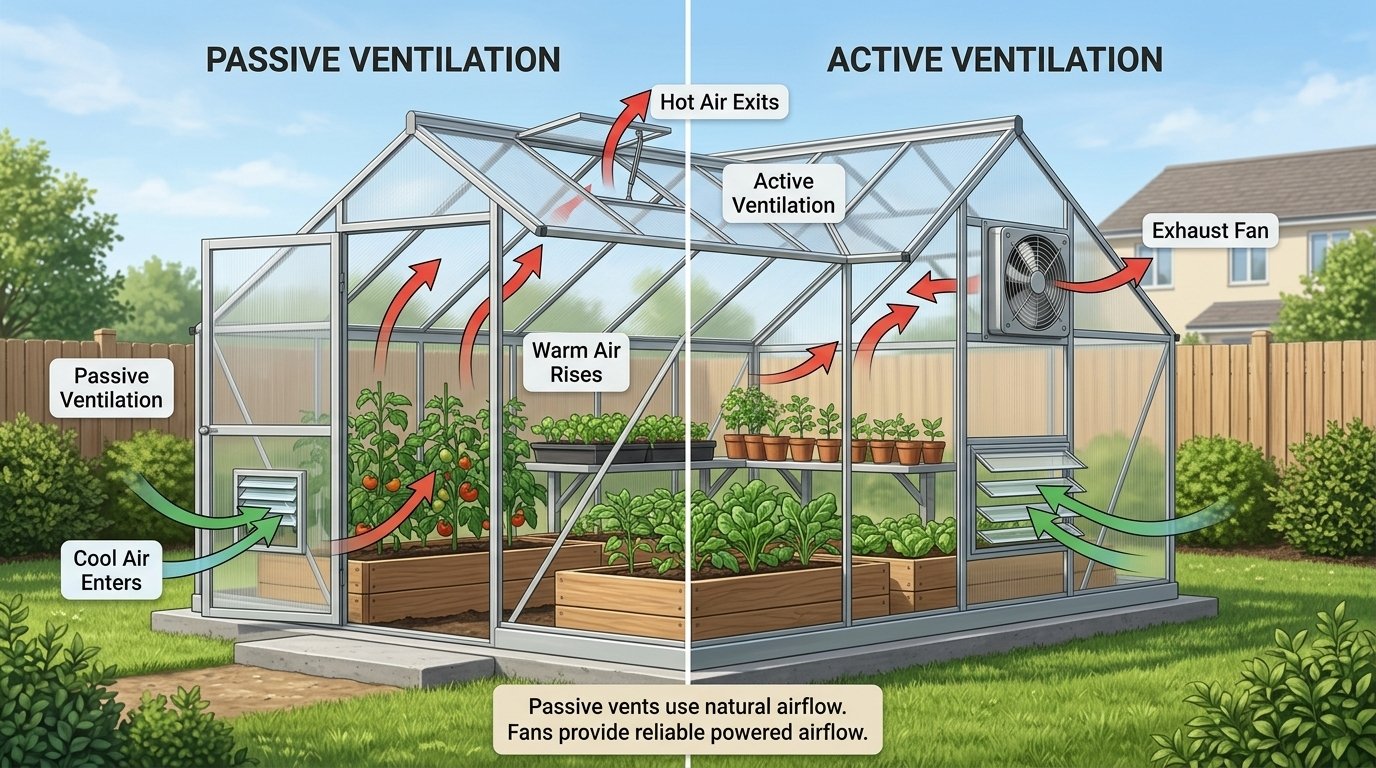
Greenhouse Ventilation and Temperature Control
Learn how to manage temperature, airflow, humidity, and heat inside your greenhouse.
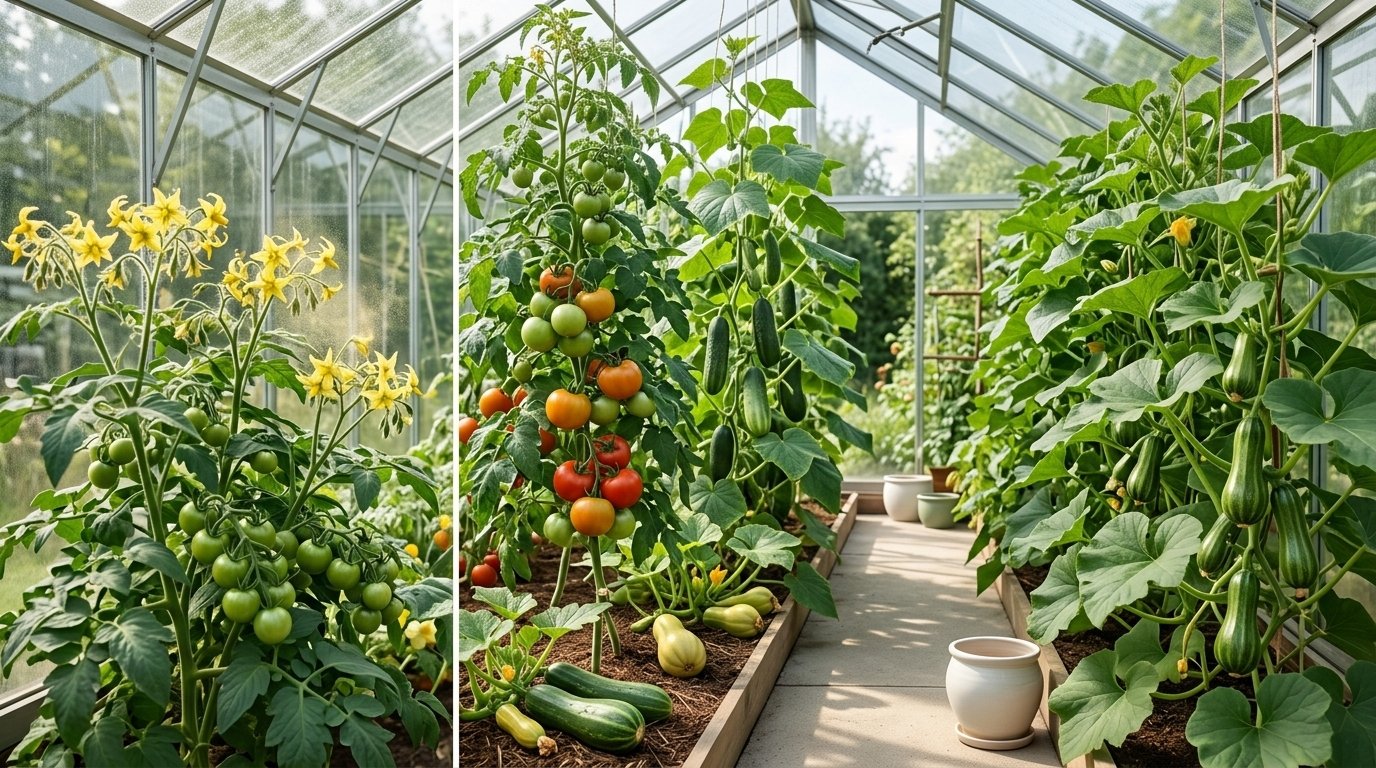
Greenhouse Pollination
Learn how to improve pollination and get better fruit set inside your greenhouse.
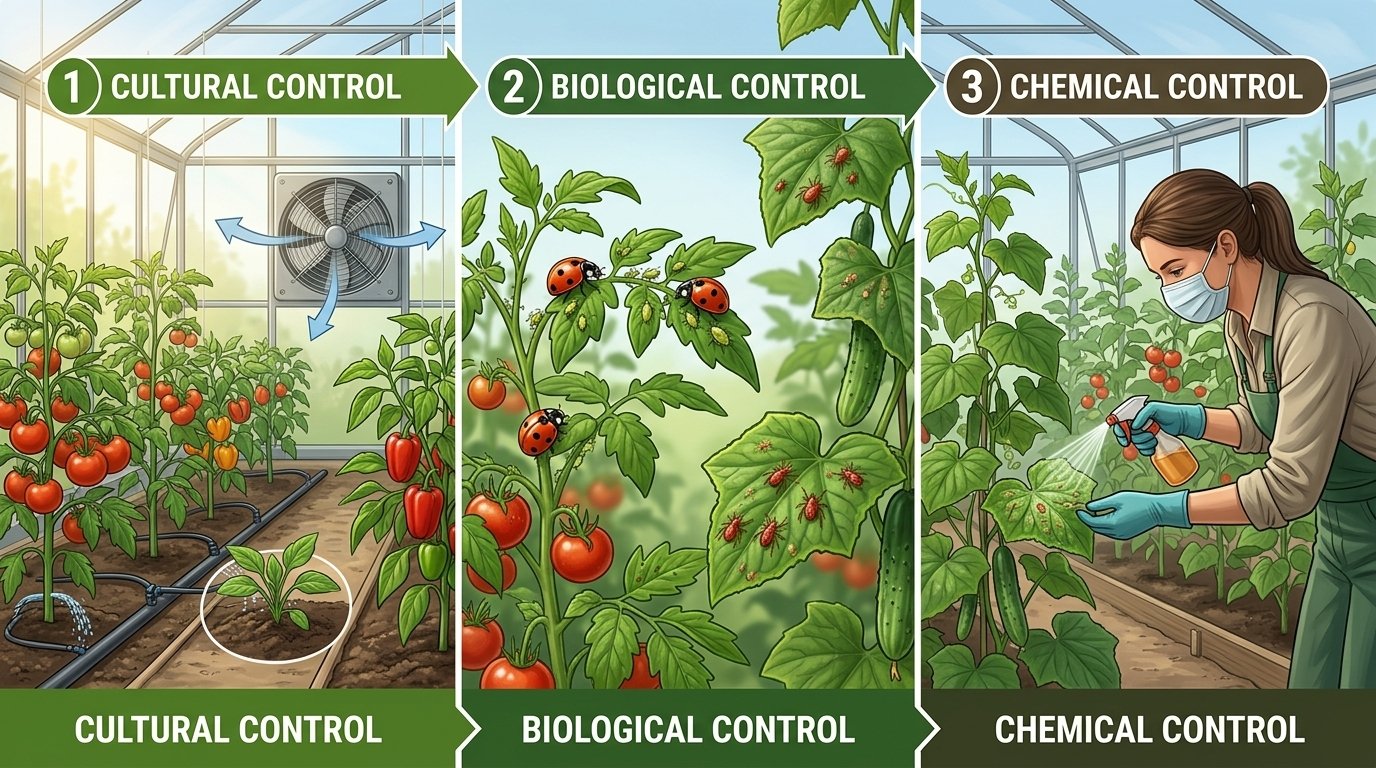
Greenhouse Pest & Disease Control
Identify common greenhouse problems and use practical ways to prevent them.
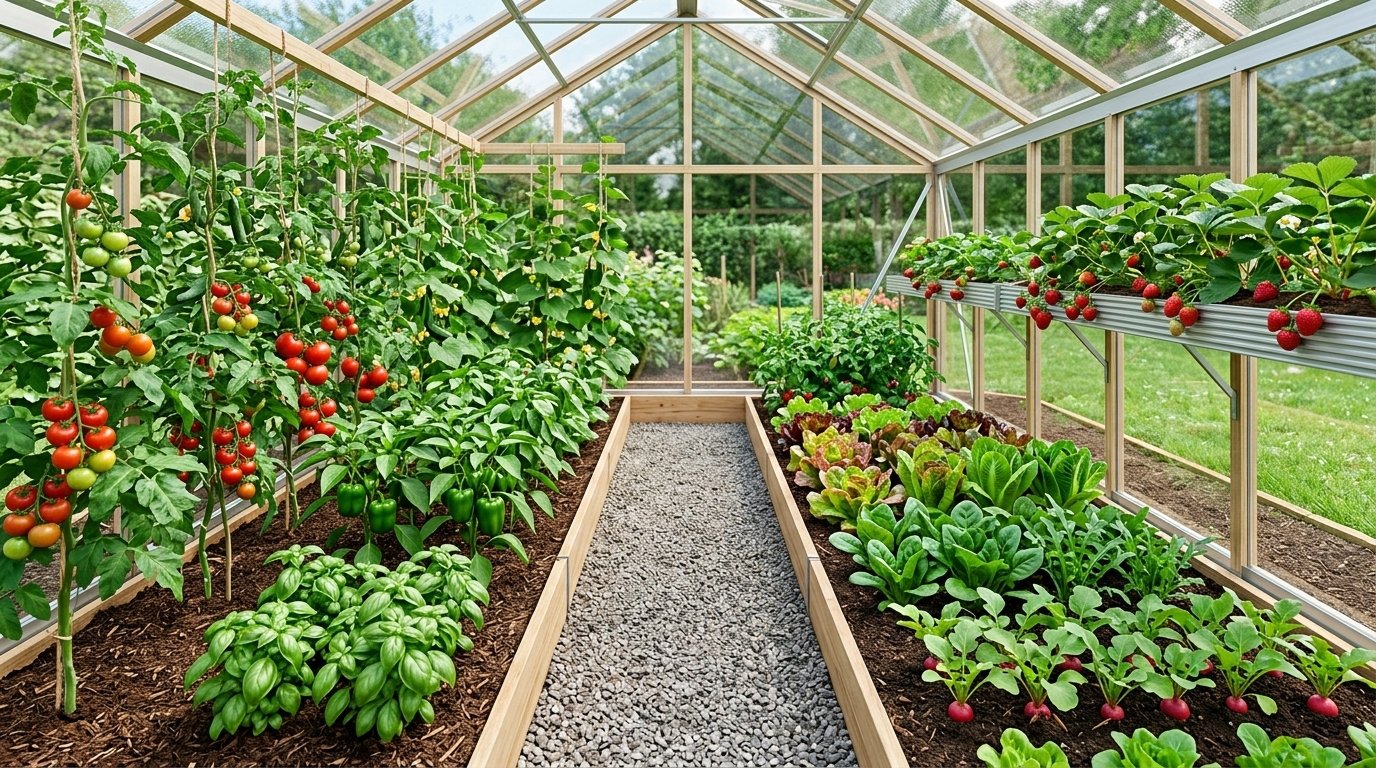
What to Grow in a Greenhouse
Discover vegetables, herbs, and fruits that grow well in greenhouse conditions.
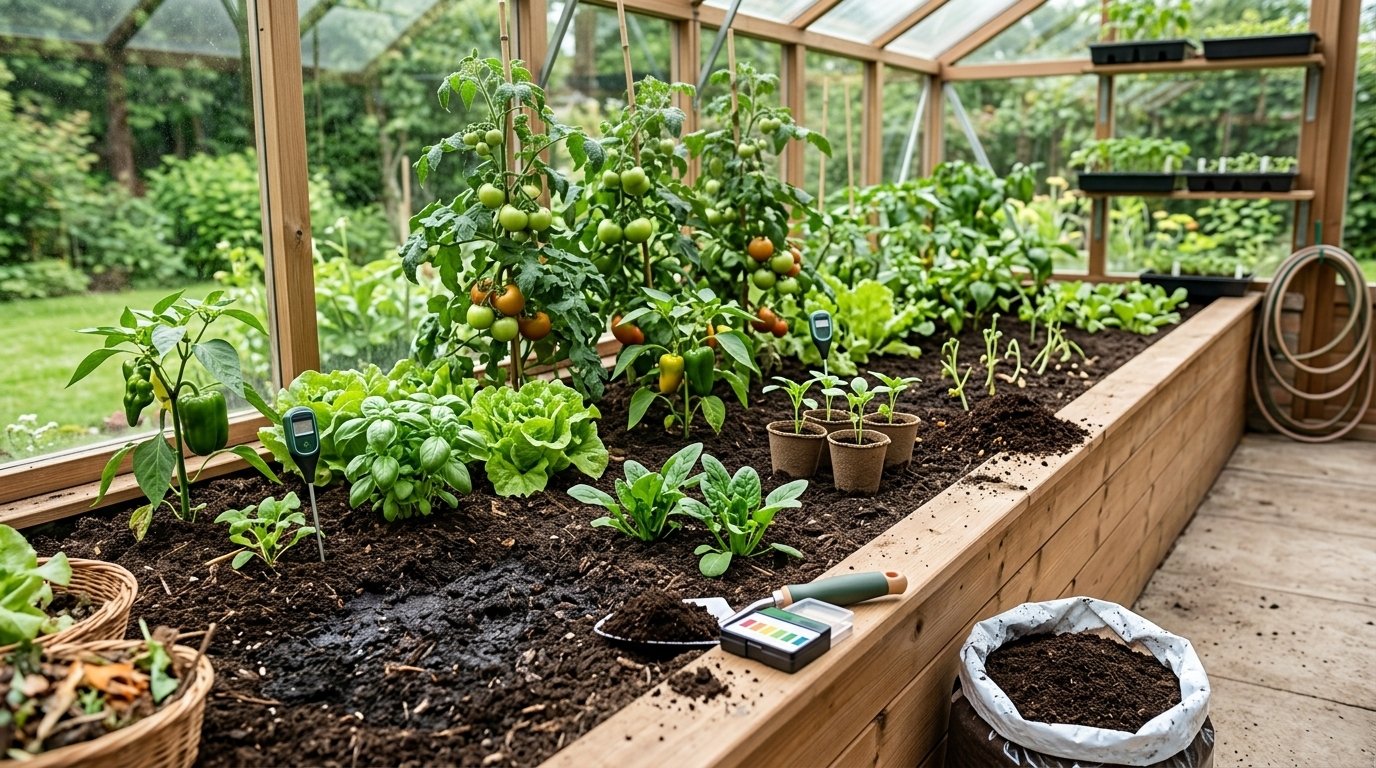
Greenhouse Soil & Fertility
Build healthy growing soil and maintain the nutrients your plants need.
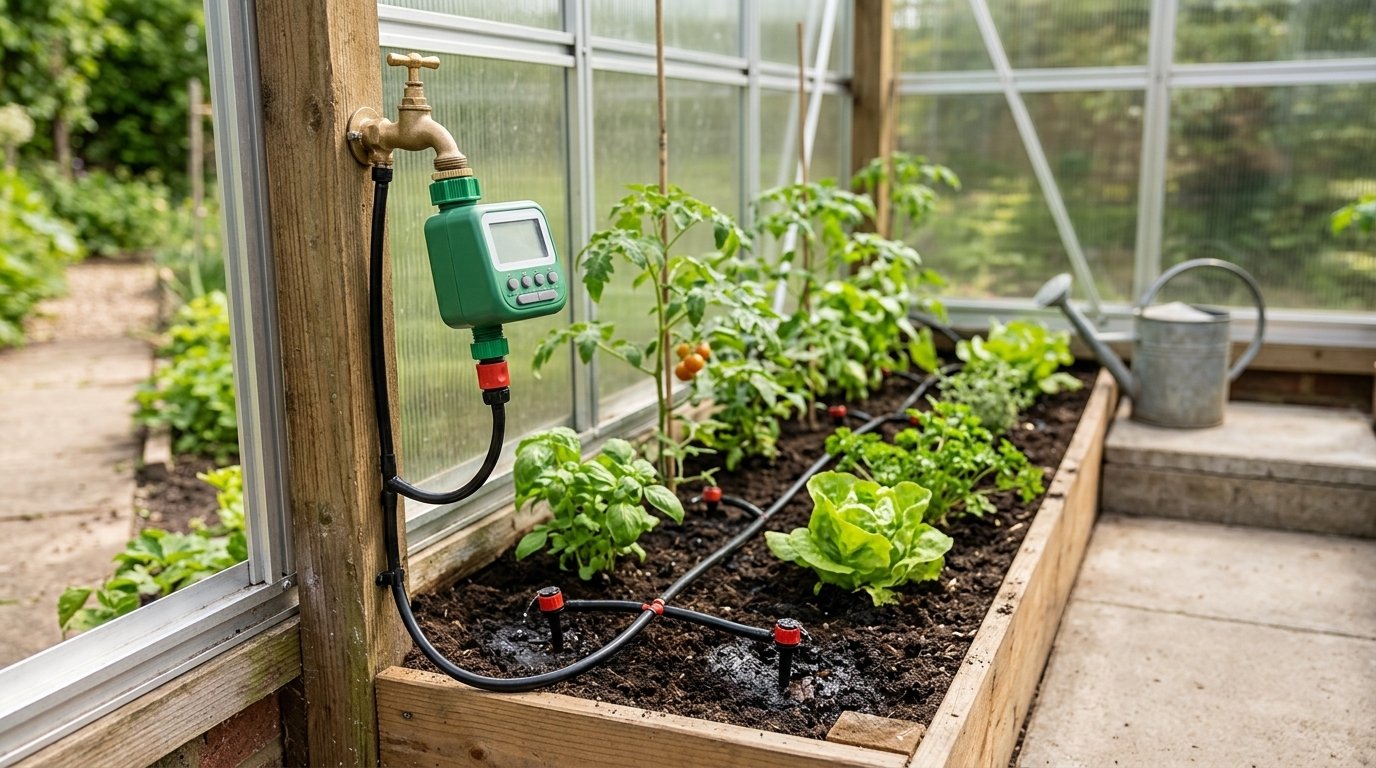
Greenhouse Irrigation Systems
Choose and set up the right watering system for your greenhouse plants.
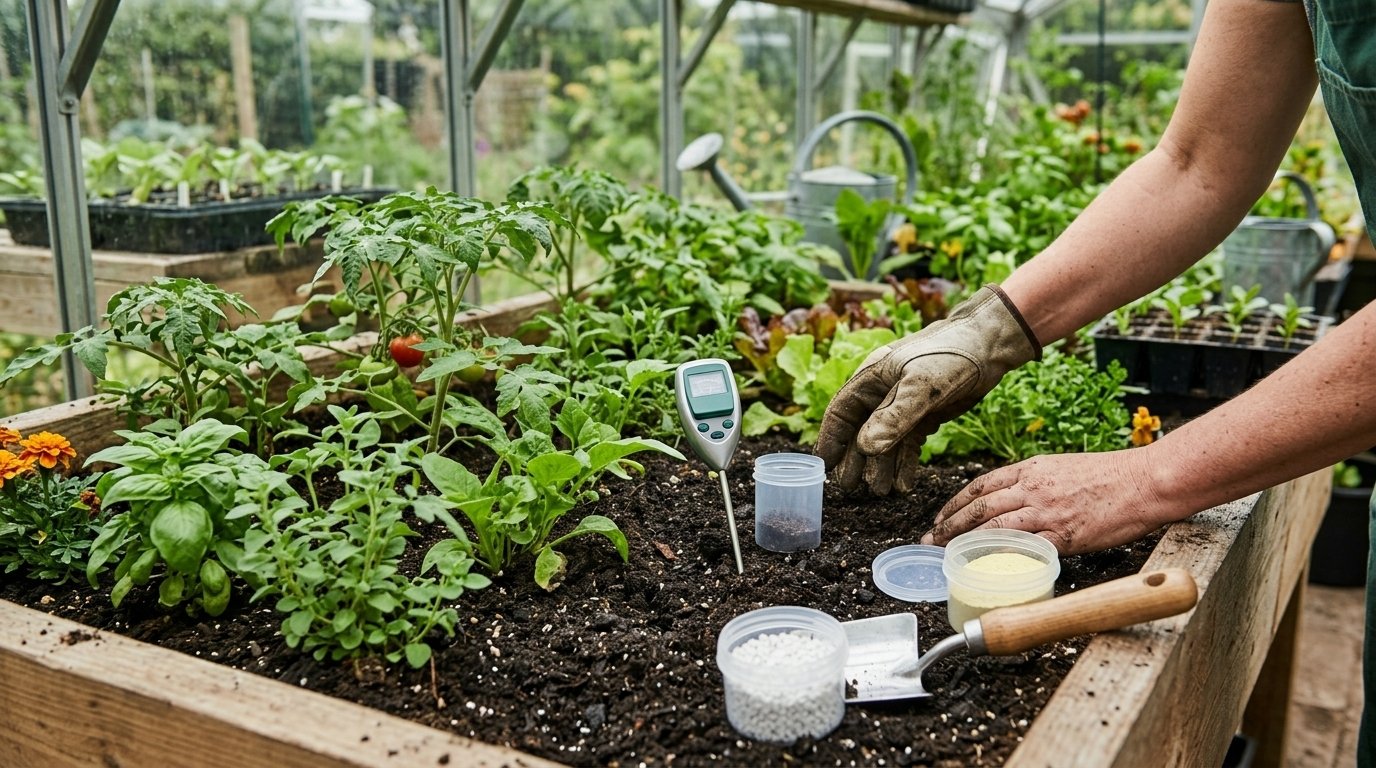
How to Test Soil pH in Your Greenhouse
Learn how to test soil pH in your greenhouse using free DIY methods, test kits, or digital meters plus how to read results and know what to do next.
Greenhouse Gardening Tips
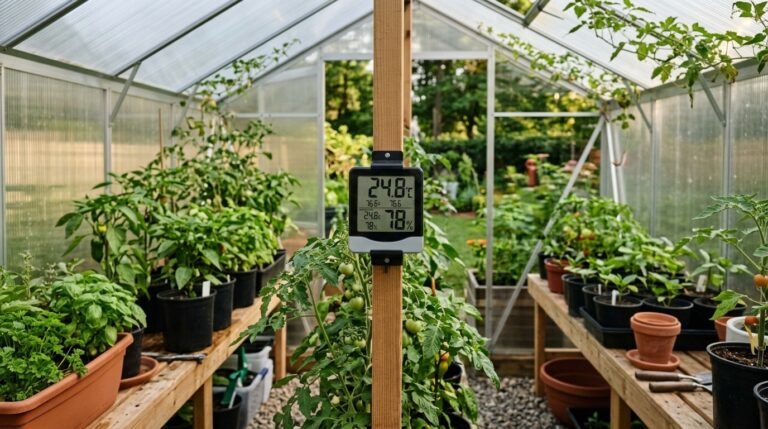
It's tempting to think that once a greenhouse is built, it will take care of itself. The glass or plastic walls trap sunlight and heat, so the environment inside should just naturally stay warm and comfortable, right?
Not quite. That same trapped heat is exactly why greenhouses can swing from too cold at night to dangerously hot by early afternoon, sometimes within the same day. REED COMPLETE GUIDE
Greenhouse Ventilation
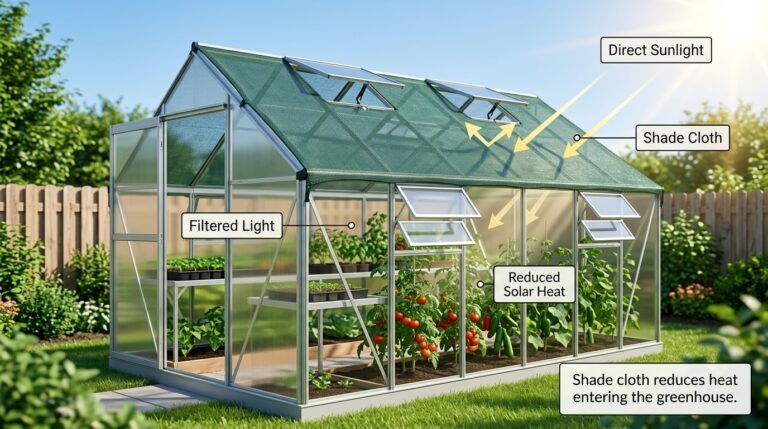
Most people assume a greenhouse gets hot because the outside air is hot. That's only part of the story, and it's the smaller part. The real driver is solar heat gain: sunlight passes through the glazing (whether that's glass, polycarbonate,
or plastic film), strikes the plants, soil, and hard surfaces inside, and converts to heat. That heat then radiates back outward as thermal energy, but the glazing material blocks most of it from escaping. According to the University of Georgia Cooperative Extension, REED COMPLETE GUIDE
Greenhouse Soil
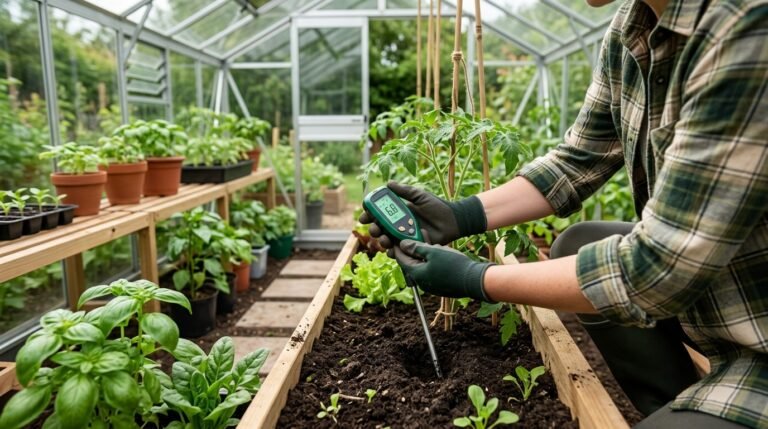
A greenhouse doesn't offer that pause. Because the structure protects plants from frost and extends your growing window, the same bed can produce two, three, or more harvests in a single year. Every one of those harvests pulls nitrogen,
phosphorus, potassium, and trace minerals out of the soil and without a rest period, there's no natural mechanism putting them back.. REED COMPLETE GUIDE
Frequently Asked Questions
1, Are beneficial insects safe to use in a home greenhouse?
Yes, beneficial insects like ladybugs, lacewings, and predatory mites are a well-established, safe pest control method and are widely used by home and commercial growers alike. They work best when introduced early, before a pest population has grown large, rather than as a last resort.
2, What can I grow in a greenhouse in winter?
In an unheated greenhouse, winter growing is limited to very cold-hardy crops and quick options like microgreens, since the structure mainly offers frost protection rather than genuine warmth. In a heated greenhouse, you have far more flexibility, depending on the minimum temperature you maintain.
3, Why does greenhouse soil need different care than outdoor garden soil?
A greenhouse extends the growing season, which means the same bed can produce multiple harvests in a single year instead of just one. Without a natural winter rest period, nutrients get used up faster and need to be actively replaced through testing and amendment.
4, What's the ideal soil pH for greenhouse vegetables?
Most vegetable crops grow best with a pH between roughly 5.8 and 6.8, based on guidance from the University of New Hampshire Extension and Clemson University Cooperative Extension. A basic home pH test kit is enough to check where your soil currently sits.
5, Is it cost-effective to grow vegetables in a greenhouse through winter?
It depends on your setup. Relying mainly on supplemental lighting for winter vegetable production is generally not cost-effective, according to Colorado State University Extension. A well-insulated, passive-solar greenhouse with good thermal mass tends to perform better for winter growing than lighting alone.
6, Why is there mould or fungal growth in my greenhouse?
This is usually a sign of excess humidity combined with poor airflow, often made worse by watering foliage late in the day.
Improving ventilation and watering the soil directly, rather than the leaves, are the two most effective fixes.